The Restoration Project
Four centuries of history, heritage, and the story of one of England's great family estates.
Foundations of a Legacy
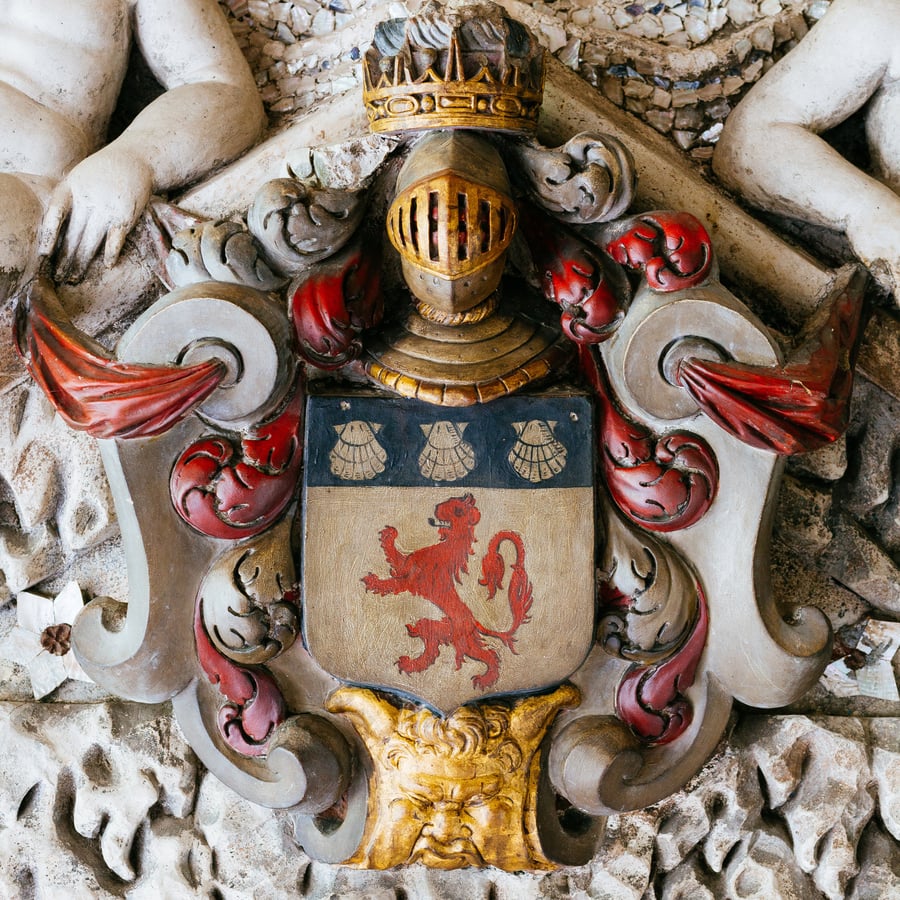
Woburn Abbey was founded in 1145 as a Cistercian monastery; it remained a place of monastic life until the Reformation, in 1538. In the Will of King Henry VIII, in 1547, the Estate was granted to Sir John Russell, later 1st Earl of Bedford.
His successors, and subsequently dukes of Bedford, made Woburn their primary home. In the early 17th century, Francis Russell, 4th Earl of Bedford, began the process of transforming the abbey into a great country home.
Preserving our Heritage
Woburn Abbey is built from local Totternhoe limestone, a fragile and porous material that requires ongoing care. Our project has addressed deterioration of the façades and replacement of the lead and slate roofs, upgrading them to cope with modern climate extremes.
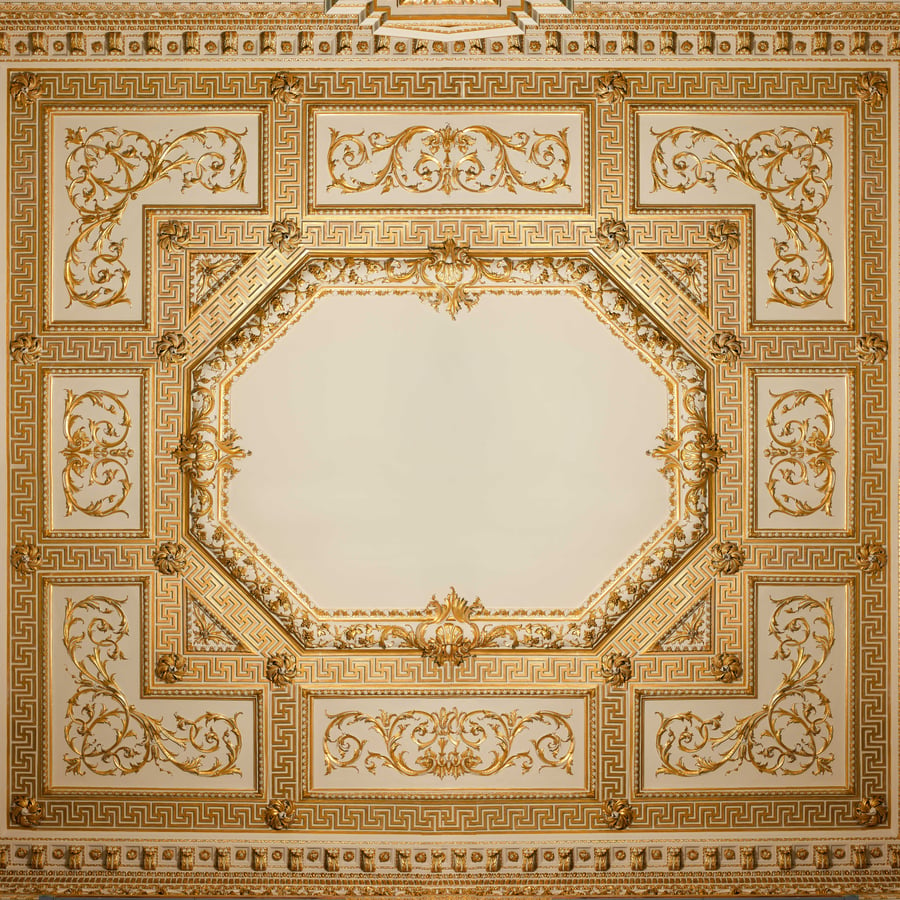
The remarkable and historic interiors have been carefully restored and refreshed. Many works of art in the Abbey collection have been conserved, including all 24 Canaletto paintings and the set of Mortlake 'Acts of the Apostles' Tapestries.
Restoring the Gardens
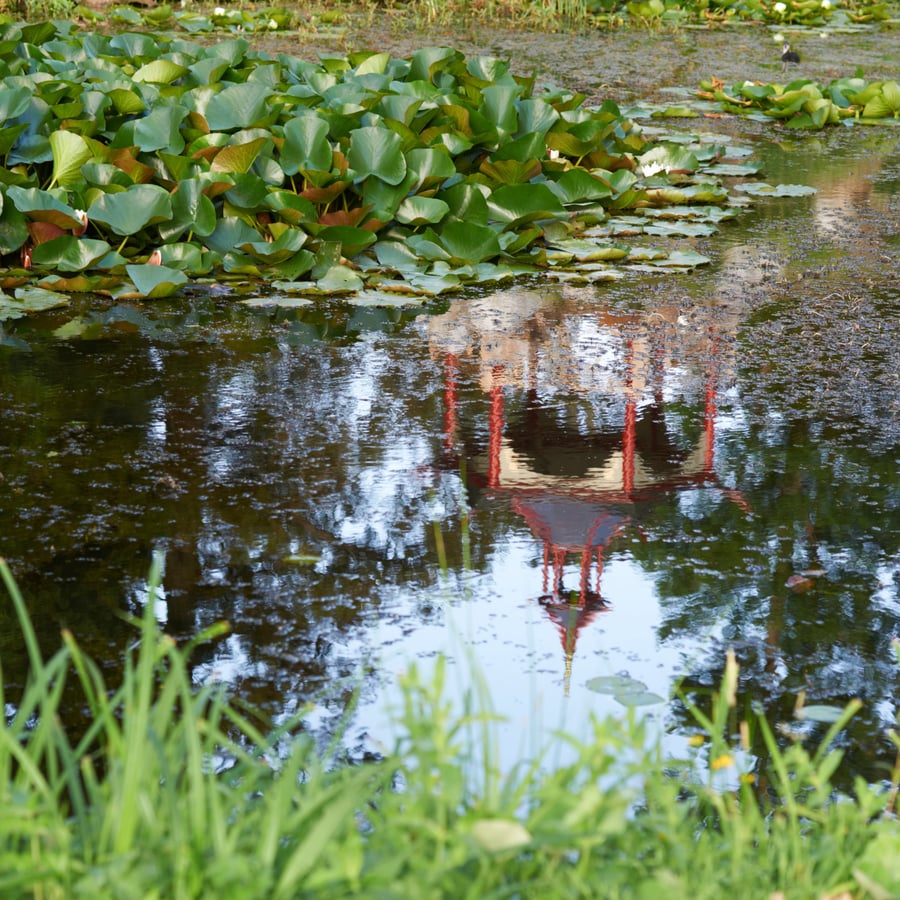
Humphry Repton’s vision for Woburn continues to guide the gardens today. His Pleasure Grounds, proposed in the Red Book that was commissioned in 1804, have been restored through long‑term projects that have re‑opened historic views and revived lost features. From the reinstatement of woodland planting to the renewal of garden structures, each project reflects a commitment to his original ideas. As a result, Woburn now stands as the most fully realised example of Repton’s work.
The Story Behind the Work
The conservation of Woburn Abbey has been a significant undertaking that will ensure its structure, craftsmanship and furnishings can be enjoyed for many generations to come.
Restoration in Numbers
The Abbey has been closed since 2019, for a significant programme of restoration externally, internally and within the wider grounds. The scale of that restoration process is significant.
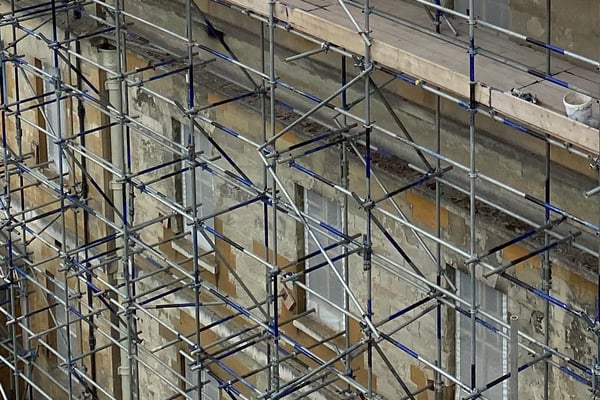
14,000 Metres
of scaffolding have been installed over the course of the restorationTo allow restorative works to be undertaken, scaffolding has been installed across multiple parts of Woburn Abbey. As the project nears completion, this is being removed gradually.
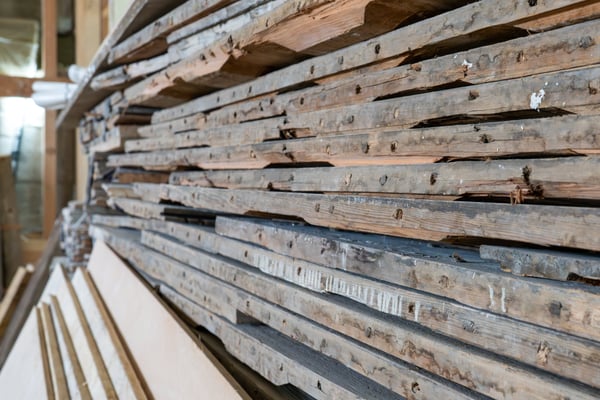
200,000 Metres
of floorboards have been lifted for repair, and then re-laidTo facilitate repairs, 200,000 linear metres of floorboards were lifted and re-laid. Their temporary removal allowed for improvements to be made to wiring, heating and the fire compartmentation system.
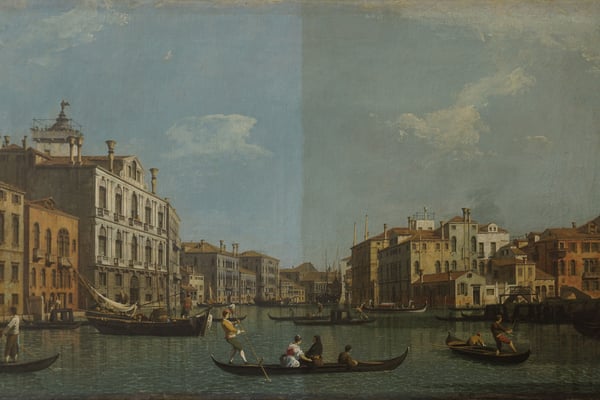
98 Paintings
have been conserved from the Abbey's collectionMany artworks in the Abbey's collection are centuries old and require continued care to restore their colour and prevent their deterioration, preserving them for future generations to enjoy.
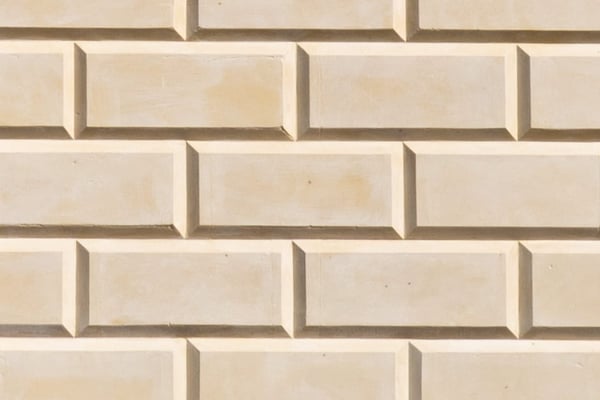
3,582 Metres²
of exterior wall surface area has been painted with limewashThe Abbey's exterior walls are built from local Totternhoe limestone, which is porous and susceptible to weathering. To protect them, the expansive surface area has been painted a total of six times.
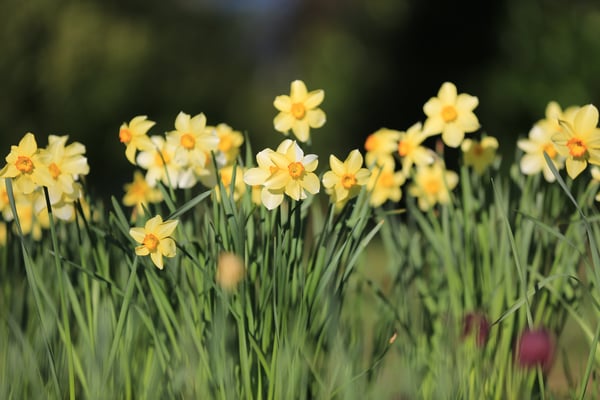
4,500
Plants, seeds and shrubs have been added to the GardensWhilst Woburn Abbey has been closed, the team has continued to populate the Gardens with thousands of plants, seeds and shrubs, ensuring the grounds maintain their beauty.
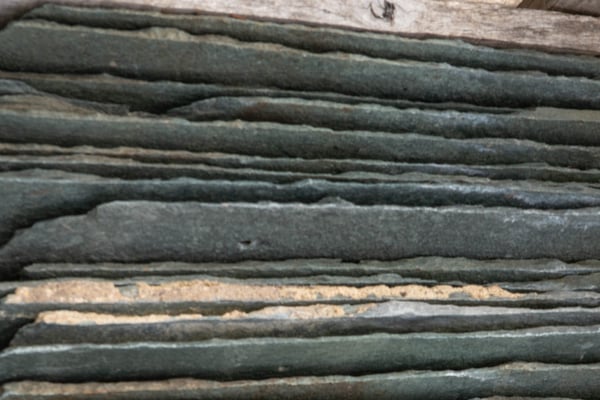
100,000 Slates
were lifted, repaired and re-laid to aid structural integrityThe Abbey's roof has been strengthened. Its Westmoreland slates have been lifted for repair and re-laid. The removed lead has been melted down, recast and reused to ensure longevity.
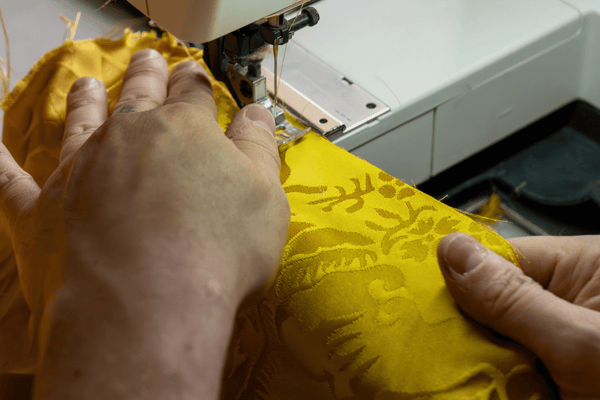
1,222 Metres
of new silks have been woven and hung in the State RoomsHours have been dedicated to weaving vibrant new silks for the State Room walls. These are soon to be hung, and will reinstate the rooms to their original splendour and colour schemes.